Editorial
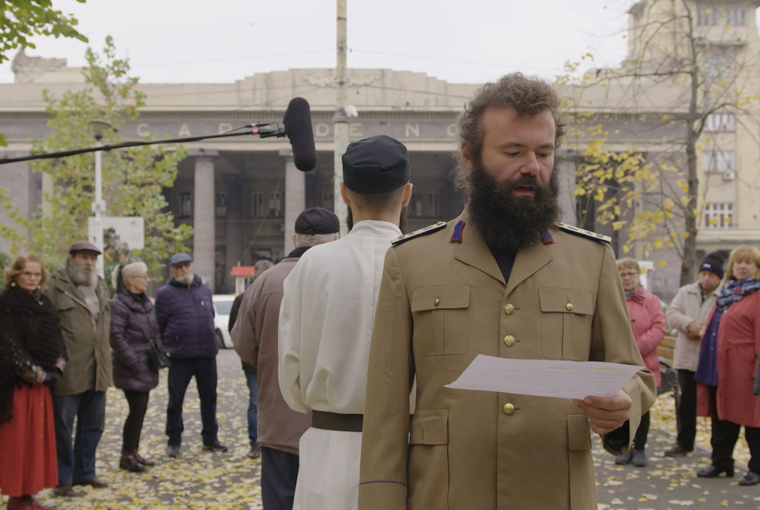
In Joseph Heller’s Catch-22, the most maddening thing about war is the impossibility of trying to maintain sanity in an insane situation, like war. Through the bomber pilot Orr, the novel introduces us to the concept of Catch-22, a now familiar bon mot the post-War era popularized to describe a bureaucratic absurdity. In the book,...
Continue Reading
Vol. 139 (November 2023)
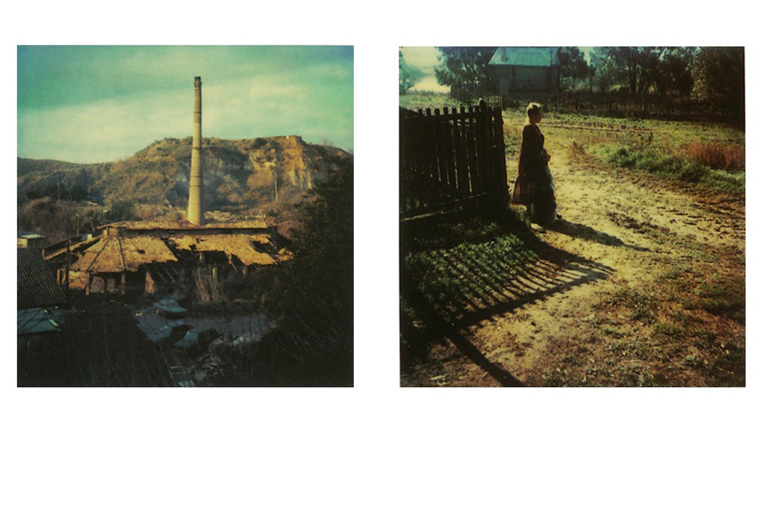
In his essay on the Polaroids of Andrei Tarkovsky, Gawan Fagard draws parallels between the ontology of the medium and the work of the Russian director.
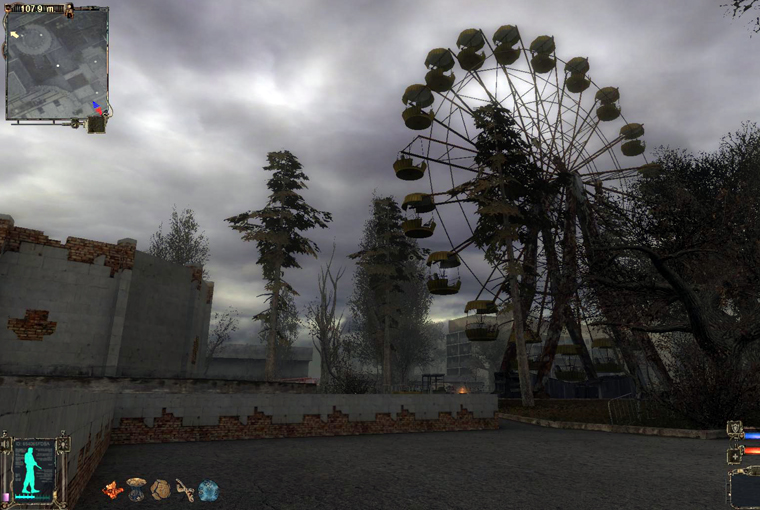
Daniel Fuller looks at the way a Ukrainian computer game transfigured folkloric processes of remembering, drawing parallels to Andrei Tarkovsky’s Stalker.
This website uses cookies to improve your experience. We'll assume you're ok with this, but you can opt-out if you wish. Cookie settingsACCEPT
Privacy & Cookies Policy
Privacy Overview
This website uses cookies to improve your experience while you navigate through the website. Out of these cookies, the cookies that are categorized as necessary are stored on your browser as they are as essential for the working of basic functionalities of the website. We also use third-party cookies that help us analyze and understand how you use this website. These cookies will be stored in your browser only with your consent. You also have the option to opt-out of these cookies. But opting out of some of these cookies may have an effect on your browsing experience.
Necessary cookies are absolutely essential for the website to function properly. This category only includes cookies that ensures basic functionalities and security features of the website. These cookies do not store any personal information.